
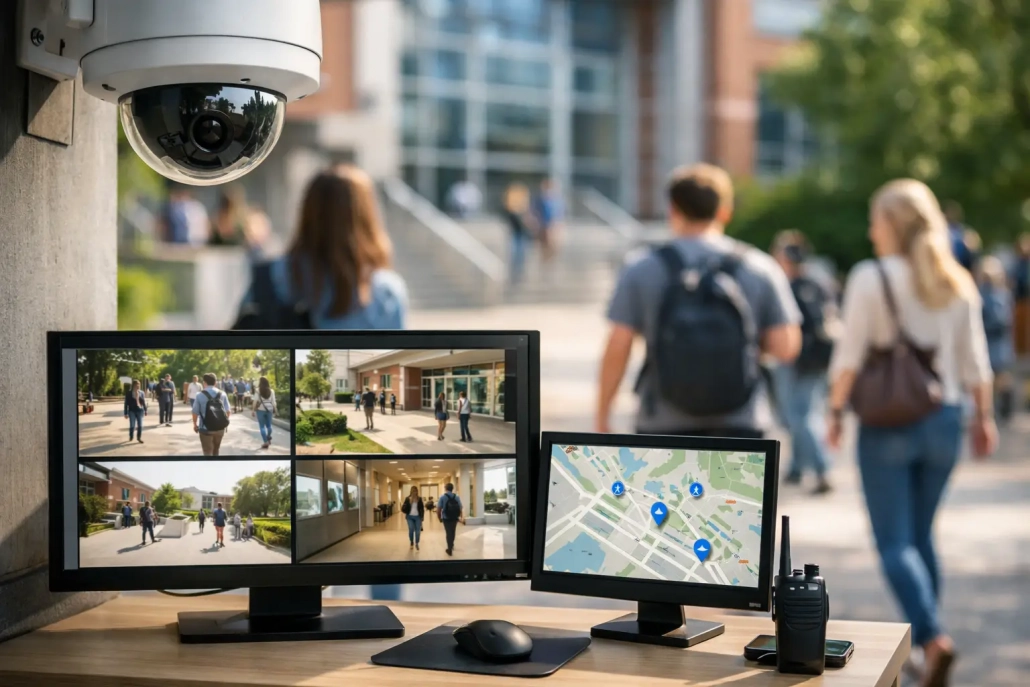
How to Monitor Student Movement on Campus
A student leaves class with a handwritten hall pass, stops at the restroom, visits a friend in another wing, and arrives back 18 minutes later. In many schools, nobody can verify where that time went. That gap is exactly why school leaders ask how to monitor student movement on campus in a way that supports safety, accountability, and daily operations without creating more work for staff.
The right answer is not more clipboards, more radio calls, or more staff chasing paper trails. It is a clear system that captures movement in real time, connects it to attendance, and gives administrators usable visibility across the school day. When schools treat student movement as an operational workflow instead of an informal process, they reduce lost instruction, tighten campus accountability, and respond faster when questions come up.
Why student movement tracking matters
Student movement affects more than hallway traffic. It touches attendance compliance, student safety, discipline documentation, front office efficiency, and parent communication. If a student is marked present in first period but leaves campus early, skips a later class, or spends excessive time out of class, schools need a reliable record.
That record matters even more during emergencies. If administrators need to account for students during a drill, medical response, or security event, they cannot rely on assumptions. They need current information showing who checked in, who checked out, who is in class, and who is moving between locations.
There is also a practical academic side to this. Schools that track tardies, hallway movement, and class-to-class accountability consistently have better visibility into patterns. They can spot repeat behavior earlier, intervene faster, and support students before a small issue becomes chronic absenteeism or discipline escalation.
How to monitor student movement on campus without slowing staff down
The most effective campuses build movement tracking into normal routines. That means using the points in the day where students already interact with staff and systems – arrival, classroom attendance, hall passes, office visits, cafeteria access, dismissals, and early checkouts.
A strong process starts with identity-based check-ins. If each student uses a barcode ID, mobile credential, or another fast scan method, schools can log movement quickly and consistently. Speed matters. If the process takes too long, staff work around it. If it takes seconds, it becomes part of the school day.
From there, schools need a central platform that records these events in one place. Separate spreadsheets and disconnected apps create blind spots. A unified system gives attendance teams, administrators, deans, and safety personnel the same real-time picture.
Build your process around the school day
Arrival and first bell
Start with the front end of the day. Monitoring begins when students arrive on campus, not when the first class roster opens. Schools should capture arrival times at entrances, drop-off areas, or designated attendance points. This helps verify who is physically on campus and who is late.
For many schools, this is where barcode-based attendance or kiosk check-ins make an immediate difference. Instead of relying on verbal reporting or manual entry, the school records a timestamped arrival tied to the student record.
Classroom transitions and instructional time
The next challenge is movement during the school day. Teachers need an easy way to confirm class attendance while administrators need visibility into who is out of class and why. A good system supports both.
Classroom scanning, teacher modules, and real-time roster updates help schools capture who is actually in the room. Hall pass management adds the missing layer by documenting when a student leaves, where they are permitted to go, and how long they have been out. This turns a common blind spot into an accountable workflow.
Cafeteria, nurse, office, and support services
Not every student movement issue is disciplinary. Students move for meals, health needs, counseling, testing, and intervention services. Those movements should be visible without being disruptive.
This is where role-based check-ins help. Cafeteria teams, nurses, front office staff, and student support personnel should be able to log student visits quickly. That creates a clean timeline and helps schools answer basic operational questions with confidence.
Dismissal and early checkout
End-of-day accountability is just as important as the morning. Schools need to know who left campus, when they left, and whether the release was authorized. Manual dismissal logs often leave room for error, especially during busy pickup periods or early release requests.
A digital checkout process with parent notification and timestamped records gives schools stronger documentation and fewer disputes. It also reduces the risk of students leaving campus unnoticed.
The tools that make monitoring work
If you are evaluating how to monitor student movement on campus, focus less on individual features and more on whether the system supports real school workflows. The best-in-class approach usually includes fast scanning or check-in options, hall pass controls, real-time dashboards, SIS integration, and reporting tools that do not require manual cleanup.
Integration matters more than many schools expect. If movement data does not connect to the student information system, staff end up duplicating work. That slows adoption and increases errors. A connected platform lets schools move from event capture to action quickly, whether that means sending a parent notification, reviewing tardy trends, or confirming a student’s location.
Reporting is another deciding factor. Schools should be able to pull clear records by student, date, period, location, or incident type. This supports attendance reviews, behavior meetings, compliance checks, and safety follow-up without hours of manual searching.
What schools often get wrong
Many schools try to solve this problem with isolated fixes. They add a digital hall pass but keep paper checkout logs. They improve classroom attendance but ignore transition times. They install a check-in kiosk but do not build staff expectations around consistent use.
The result is partial visibility. Partial visibility can still create confidence, but it does not create accountability. If leadership wants reliable campus oversight, the process has to be consistent across the building.
Another common mistake is overengineering. A system packed with options will not help if teachers, office staff, and deans cannot use it quickly. The goal is not complexity. The goal is daily execution.
Set clear rules before you launch
Technology performs best when the building has clear procedures behind it. Before rollout, schools should define when students must scan, who approves movement, what counts as an excused pass, how long passes remain active, and which teams monitor exceptions.
Schools should also decide who owns follow-up. If a student exceeds pass time, accumulates repeated out-of-class minutes, or leaves campus unexpectedly, there should be a defined response path. That might sit with the attendance office, an assistant principal, a dean, or a campus monitor depending on the building.
Training should be practical and role-specific. Teachers need quick classroom workflows. Front office teams need accurate release procedures. Administrators need dashboard visibility and reporting access. District teams may need SIS and policy alignment. When training matches the actual work, adoption is stronger from day one.
Measure results that matter
The value of movement monitoring should show up in school operations. That means tracking outcomes such as reduced unaccounted hallway time, faster tardy processing, fewer attendance disputes, quicker parent notification, and stronger emergency accountability.
Schools should also look at staff efficiency. If the system is working, office teams spend less time correcting records, teachers spend less time managing paper passes, and administrators spend less time piecing together what happened after an incident.
For districts, scalability is key. A process that works in one school should be configurable across multiple campuses without forcing every site into the exact same model. Elementary, middle, and high schools often need different workflows. Flexibility matters, but so does centralized visibility.
An all-in-one platform can make that balance easier. SwipeK12 Solutions supports schools that need student movement tracking tied directly to attendance, accountability, notifications, and reporting so teams can act on real-time information instead of chasing disconnected records.
Start simple, then expand
Schools do not need to solve every movement issue on day one. In fact, phased implementation often works better. Many campuses start with arrival and classroom attendance, then add hall pass management, cafeteria tracking, visitor workflows, and early checkout controls as staff get comfortable.
That approach gives leadership time to confirm compliance, review reports, and adjust procedures without overwhelming the building. It also helps schools show early wins, which builds trust with staff and strengthens long-term use.
The best systems do not just tell you where students should be. They help you verify where they are, where they have been, and what action to take next. When that visibility becomes part of daily operations, schools gain a stronger grip on safety, attendance, and instructional time – and staff finally have a process that works under real campus conditions.
If your team is deciding how to improve campus accountability, start with the moments where visibility breaks down most often. Fix those first, and the path to a more controlled, responsive school day gets much clearer.


Leave a Reply
Want to join the discussion?Feel free to contribute!